
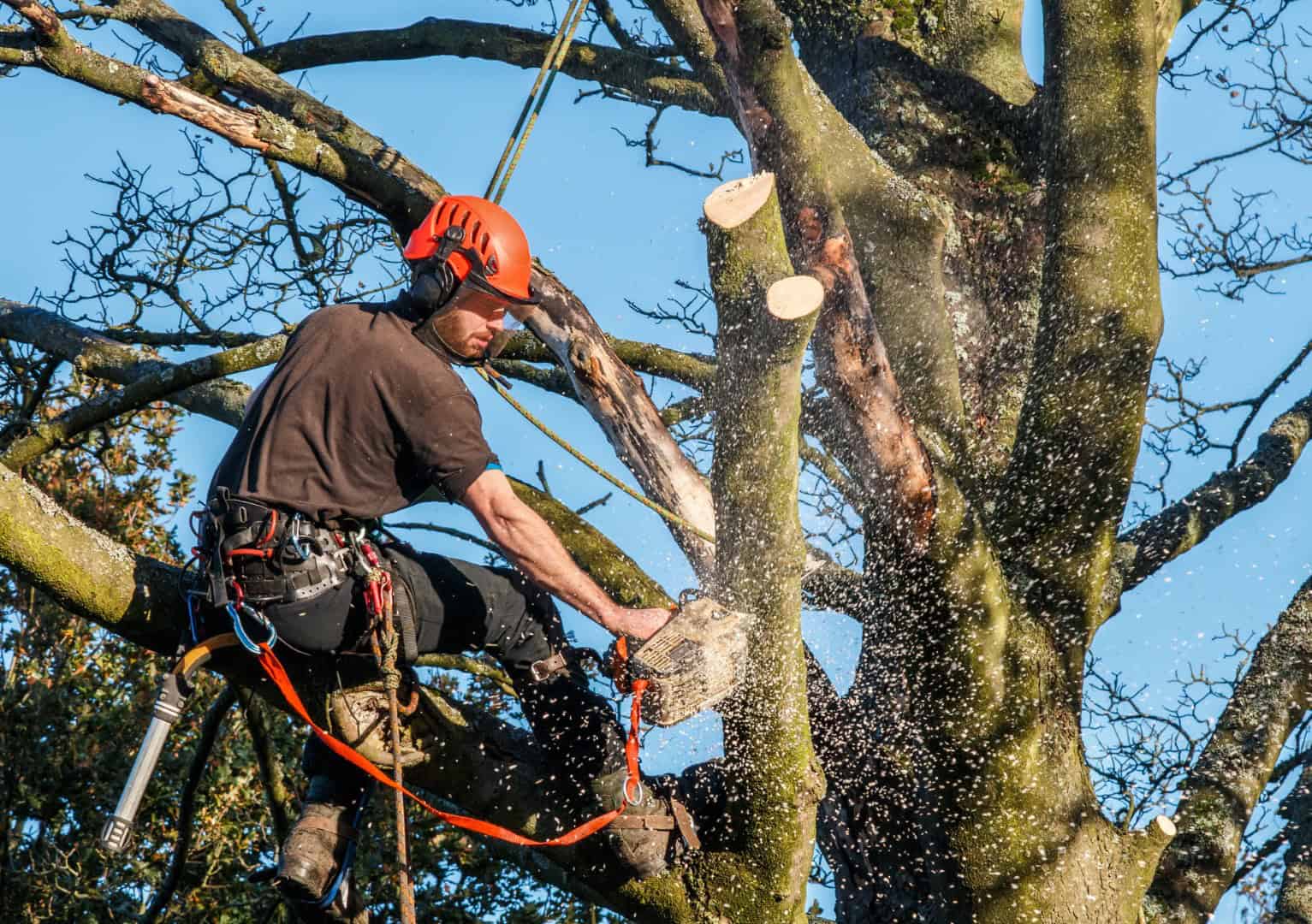
Trees are an important feature of many gardens in Yarm, providing privacy, shade, seasonal colour and a natural backdrop to outdoor spaces. However, even healthy trees require appropriate management as they mature.
Branches can become overgrown, deadwood may develop and changes in the surrounding garden can create new concerns. Storms may also expose weaknesses that were not obvious during calmer weather.
Knowing when to contact professional tree surgeons in Yarm can help you deal with emerging problems before they become more difficult, disruptive or expensive to resolve.
When Branches Begin Growing Too Close to Property
Branches extending towards roofs, windows, chimneys, garages and conservatories are a common reason for arranging professional tree work. The tree may not be dangerous, but continued growth can reduce clearance and allow branches to strike the building during windy weather.
Overhanging growth can also block natural light, deposit leaves into gutters or extend across neighbouring boundaries. Cutting branches without considering the tree’s natural structure can leave the canopy unbalanced or encourage weak regrowth.
A tree surgeon can assess whether selective pruning, crown lifting or a crown reduction would provide the required clearance. The aim should be to manage the tree sensibly rather than removing large amounts of healthy growth without a clear reason.
When You Notice Dead, Damaged or Hanging Branches
Deadwood is not always easy to identify, particularly within a dense canopy. Branches without leaves during the growing season, areas of missing bark and brittle growth can indicate that part of the tree has died.
Broken or partially attached branches require particular attention because they may fall without warning. This can present a risk when the tree grows above a path, driveway, seating area, road or neighbouring garden.
Professional deadwood removal can reduce the immediate hazard while allowing the healthy parts of the tree to remain. Oak Manor Tree & Garden Services can inspect damaged branches and determine whether the issue is isolated or connected to a wider structural problem.
After Strong Winds or Storm Damage
Storm damage can range from small broken branches to major splits within the trunk or movement around the roots. Some problems are immediately visible, while others only become apparent when the tree begins leaning or the canopy develops an unusual shape.
Homeowners should avoid standing beneath damaged trees or attempting to pull down hanging branches. Broken timber can remain under considerable tension and may move unpredictably when cut.
Following severe weather, check the tree from a safe distance. Look for freshly exposed wood, large cracks, fallen limbs and changes around the base. A professional inspection can establish whether damaged growth should be removed or whether the tree has become too unstable to retain safely.
When a Tree Has Become Too Large for Its Location
A tree can remain healthy while becoming unsuitable for the space in which it was planted. Species that appeared manageable when young may eventually dominate a smaller garden, overshadow neighbouring properties or restrict the use of patios and lawns.
Crown reduction may decrease the height and spread while retaining a natural, balanced appearance. Crown lifting can improve clearance beneath lower branches, while selective thinning may allow more light through the canopy.
These techniques must be matched to the species and condition of the tree. Excessive cutting can produce dense regrowth and create additional maintenance. Professional advice helps determine how much work is reasonable and whether the proposed result can be achieved without damaging the tree.
When the Tree Appears Diseased or Decayed
Changes in leaf colour, premature leaf loss, dead branches, cavities and fungal growth may indicate disease or decay. However, individual symptoms can have several possible causes, including drought, soil compaction, root disturbance and normal seasonal changes.
Fungal growth near the trunk or roots should not be ignored because some fungi are associated with the decay of important structural tissue. Equally, the presence of a cavity does not automatically mean a tree must be felled.
An experienced tree surgeon can examine the visible condition of the trunk, crown and surrounding ground before advising on the next step. Pruning or monitoring may be appropriate, while advanced decay or instability could make controlled tree removal the safer option.
Before Removing a Tree in a Conservation Area
Parts of Yarm are valued for their historic character, established streets and mature greenery. Trees may be protected by a Tree Preservation Order or by their location within a conservation area.
Protected status can affect felling, pruning, crown reductions and other tree work. Property owners should therefore check whether permission or formal notification is required before arranging substantial work.
Stockton-on-Tees Borough Council’s tree guidance explains that trees covered by Tree Preservation Orders and trees within conservation areas receive legal protection. Checking the position before work begins can prevent avoidable delays and ensure that the correct process is followed.
A tree surgeon can discuss the proposed work, although responsibility for obtaining any required consent remains with the property owner.
When You Are Planning Changes to Your Garden
Tree work is often required before a wider garden project. A tree or hedge may occupy the proposed position of a patio, fence, lawn or new planting area. Overgrown vegetation can also restrict access and make it difficult to understand how much usable space is available.
Before deciding to remove a mature tree, consider whether the garden design could retain it as a feature. Appropriate pruning may provide additional clearance while preserving shade, privacy and visual interest.
Where removal is necessary, stump grinding can help prepare the ground for its next use. Oak Manor Tree & Garden Services also provides hedge removal, landscaping and fencing, allowing tree work to be coordinated with the wider improvement of the garden.
When Routine Maintenance Has Been Neglected
Trees do not necessarily need annual pruning, and unnecessary cutting can cause more harm than good. However, trees that have received no attention for many years may develop crowded branches, deadwood or poor clearance above frequently used areas.
A professional inspection can identify work that would improve safety or structure without creating an excessive maintenance cycle. This is especially useful after moving into a new property when the history of the trees is unknown.
The best approach will depend on the species, age and condition of the tree. Some trees respond well to selective pruning, while others should only be worked on at particular times of year. Clear recommendations help homeowners prioritise necessary work and avoid cutting simply because a tree appears large.
Choosing Local Tree Surgeons in Yarm
Tree surgery frequently involves working at height, handling heavy branches and operating equipment close to homes, vehicles and neighbouring properties. The work should therefore be properly assessed rather than treated as general garden maintenance.
Oak Manor Tree & Garden Services provides professional tree surgery throughout Yarm and the wider Teesside area. Our team carries out pruning, crown management, deadwood removal, stump grinding and controlled tree removals for domestic and commercial customers.
Every job begins with an assessment of the tree and its surroundings. We explain the available options, recommend an appropriate working method and provide a free, no-obligation quotation.
Whether you are concerned about storm damage, overhanging branches or an unwanted tree, contact our tree surgeons to arrange an assessment in Yarm.