
Tree Pruning in Middlesbrough
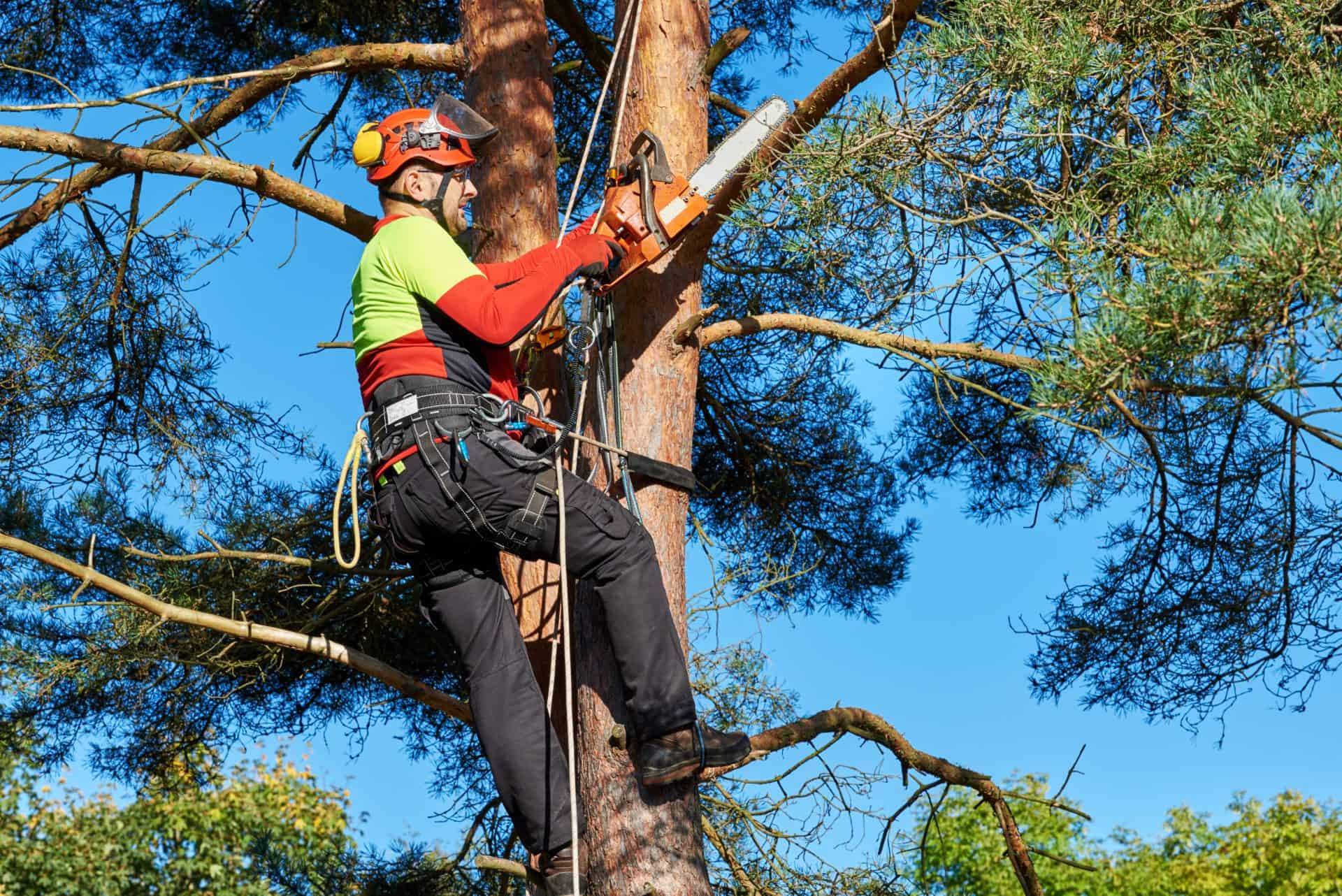
Oak Manor Tree & Garden Services provides professional tree pruning in Middlesbrough for homeowners, landlords and commercial customers. From branches growing close to buildings to overgrown canopies restricting light and access, our team can assess your trees and recommend suitable pruning work.
Get A Free Quote
Professional Tree Pruning Services in Middlesbrough
At Oak Manor Tree & Garden Services, we provide tree pruning services designed around the needs of your property and the trees growing within it. Branches may need attention because they are obstructing a pathway, extending towards a roof or interfering with the use of your garden. We assess these concerns before recommending the most appropriate work.
Our approach considers the tree’s natural shape, existing structure and previous pruning. Removing more growth than necessary can create avoidable problems, so we focus on achieving a suitable result through carefully selected cuts. Where substantial work is being considered, we explain what is appropriate for the tree and what you can realistically expect.
As part of our wider tree surgery services in Middlesbrough, pruning can be considered alongside other tree care requirements. This allows us to recommend an approach based on the overall condition of the tree.

Why Choose Oak Manor Tree & Garden Services?
Choosing a company to prune your trees means trusting a team to work carefully around your home, garden or business premises. At Oak Manor Tree & Garden Services, we take the time to understand your requirements and explain the proposed work before getting started. You receive straightforward advice based on the tree and its surroundings.
We plan each job around the available access, nearby buildings and the space beneath the canopy. This helps us organise the work efficiently while taking care around fences, sheds, planting and neighbouring properties. Throughout the job, we aim to keep disruption to a minimum and maintain a controlled working area.
You can learn more about our team and our approach to local tree care. From the initial assessment to clearing the resulting branches, we focus on providing a dependable service and leaving your property tidy.
Crown Reduction, Thinning and Lifting in Middlesbrough
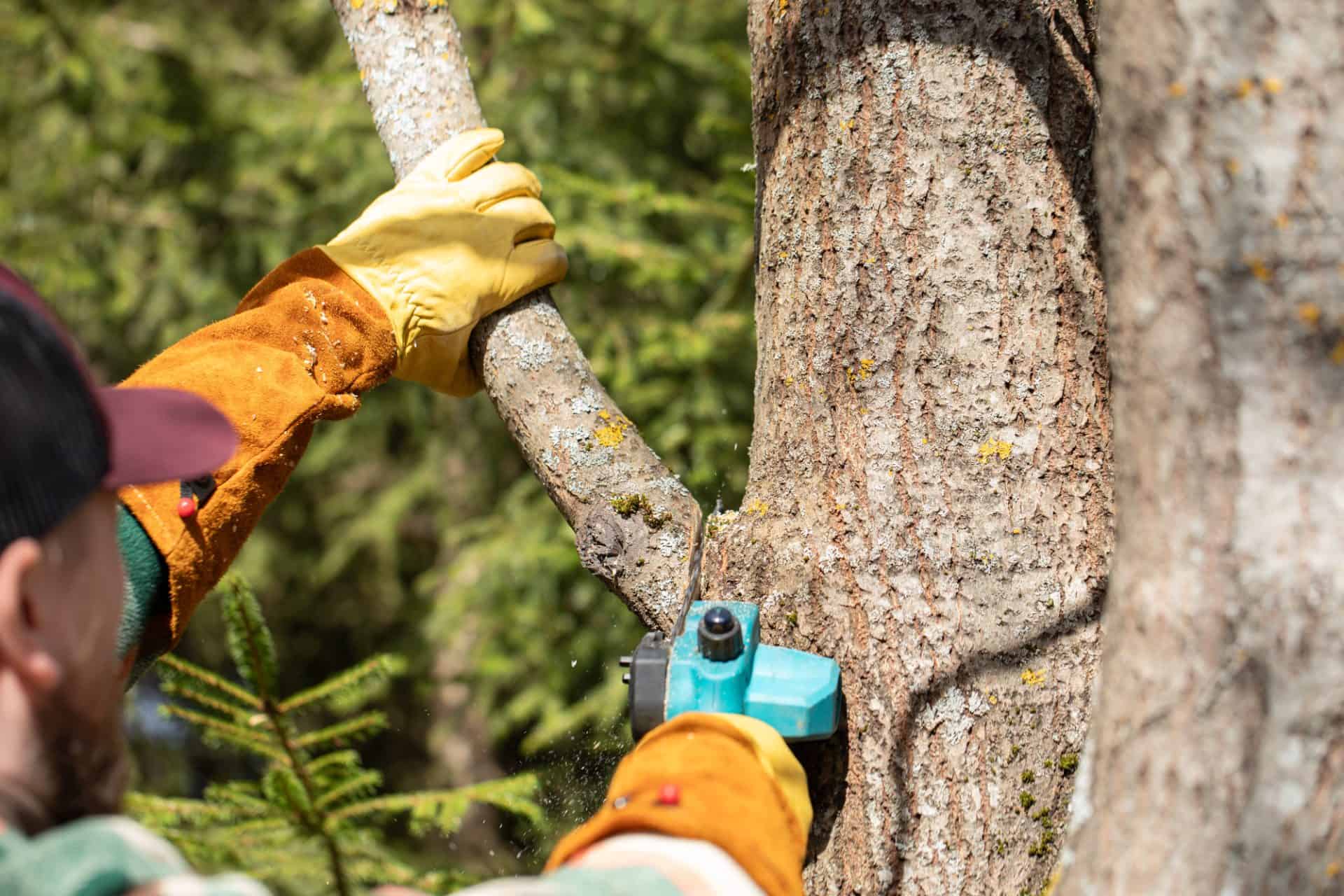
Different pruning methods achieve different results, which is why we assess your tree before recommending a particular approach. Crown reduction involves shortening selected branches to reduce the height or spread of the canopy. Where appropriate, this can help manage growth extending beyond the space available while retaining a balanced outline.
Crown thinning reduces the density of smaller branches within the canopy without substantially changing its overall size. Crown lifting focuses on selected lower branches to create clearance beneath the tree. This may be useful where growth is affecting access around a driveway, pathway or lawn. Each method needs to suit the tree’s structure and condition.
We explain which approach is most suitable for the concern you have raised. Rather than treating every overgrown tree in the same way, we agree a clear scope of work that takes account of the tree, your property and the intended result.
Tree Pruning for Homes and Businesses Across Middlesbrough
We provide tree pruning throughout Middlesbrough, including Acklam, Linthorpe, Marton, Coulby Newham and Nunthorpe. Our work covers private gardens, rental properties, commercial grounds and other outdoor spaces where trees require attention. Whether branches are affecting a seating area or restricting access around business premises, we can assess the situation and discuss your options.
Every property presents different working conditions. A tree above a conservatory requires different planning from one standing in an open lawn, while narrow side access can influence how equipment and branches are moved. We consider these details when assessing the job and preparing your quotation.
The timing of pruning also matters. We take account of the species, proposed work and any relevant restrictions before arranging a suitable date. Where trees are protected or wildlife could be affected, the necessary checks should be addressed before cutting begins. This helps ensure the work is planned around both your requirements and the tree’s circumstances.

Frequently Asked Questions
Find answers to common questions about arranging tree pruning, choosing the right approach and caring for trees at your property.
A tree may benefit from an assessment if branches are touching a building, obstructing access, crossing against one another or showing signs of damage. You might also notice that its canopy has become difficult to accommodate within the available garden space. However, size alone does not mean a tree needs pruning, and some trees require very little intervention. Our team considers the tree’s condition alongside the problem you want to resolve before recommending work. This helps establish whether selective pruning, a suitable crown operation or another approach would be appropriate, rather than cutting branches back without a clear reason.
The most suitable time depends on the species, the condition of the tree and the work required. Many deciduous trees can be pruned during their dormant period, although there are important exceptions. Cherries and plums, for example, generally need different timing because of their susceptibility to silver leaf disease. The extent of pruning and the presence of wildlife must also be considered when planning the work. We assess these factors before recommending a suitable time for your tree. This individual approach helps avoid treating every species in the same way or assuming that all pruning should automatically take place during winter.
Appropriate pruning can sometimes improve light levels or create more usable space beneath a tree, but the result depends on its position and canopy. Crown lifting may help where low branches obstruct a path or driveway, while selective thinning may be considered where dense growth is contributing to shade. A suitable reduction may help manage branches extending towards a building or beyond the available space. We discuss the area affected and the improvement you want to achieve before recommending work. This allows us to explain what may reasonably be possible while retaining an appropriate amount of growth and avoiding unnecessary damage to the tree.
You may need consent if the tree is covered by a Tree Preservation Order, while separate notification requirements can apply to trees within conservation areas. These controls can affect pruning as well as removal, including work on protected branches extending over a boundary. Before arranging cutting, the relevant local planning authority should confirm whether the tree is protected and which procedure applies. Any approved work must match the consent given. Wildlife protection requirements also need separate consideration. Establishing these details early helps avoid delays and ensures the proposed work can be planned around the requirements that apply to your tree and property.
The cost depends on the size of the tree, the amount of work required and the conditions around it. Pruning accessible branches in an open garden is different from working above a roof, fence or confined courtyard. Restricted access and the need to handle branches in smaller sections can also affect the time and equipment involved. We assess these details before providing a quotation, allowing us to price the work according to your property and requirements. The proposed scope is explained clearly so you understand which tree or trees are included and what pruning has been recommended before deciding whether to proceed.
Yes, we clear the branches and pruning debris produced by our work and aim to leave the working area tidy. Before starting, we consider how material will be moved through your property, particularly where access involves narrow passages, established planting or shared routes. Larger branches may need to be handled in sections depending on the space available and the surroundings. If you would prefer to retain suitable timber for your own use, this can be discussed when the job is assessed so the arrangements are clear. Agreeing these details beforehand helps ensure the pruning and clearance meet your expectations from the outset.